Diagnosipedia

Ayurvedic Treatment of Asthma

Overview

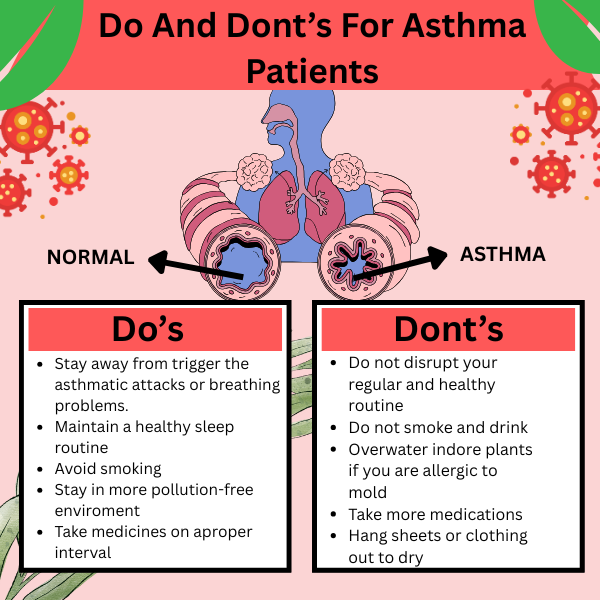
Asthma, a long-term breathing illness, impacts countless individuals globally. In the ancient Indian system of Ayurveda, this condition is identified as Tamaka Shwasa. It arises from an imbalance in the body’s vital energies, known as doshas. Specifically, it’s linked to disruptions in Vata and Kapha. Ayurvedic treatment of asthma aims to bring these doshas back into harmony. This involves boosting digestive power, clearing out harmful toxins, and fortifying the entire respiratory system. Natural methods like herbal remedies, dietary changes, and lifestyle modifications form the core of this approach.

ayurvedic treatment of asthma

What is Asthma According to Ayurveda?

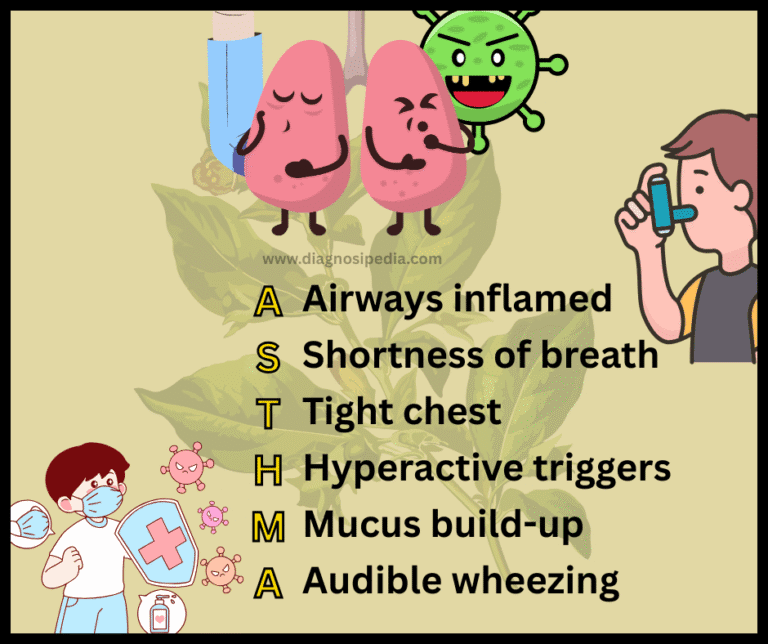
Ayurveda views asthma as an imbalance in the body’s vital channels. Aggravated Kapha and Vata doshas block these channels, restricting airflow. Poor digestion creating toxins, known as Ama, also contributes to blockages. Environmental irritants can worsen this imbalance. Symptoms include breathlessness, coughing, and chest tightness.

Ayurvedic treatment of asthma aims to restore dosha balance and improve digestion. This prevents Ama buildup and detoxifies the respiratory system. Diet changes are important. Certain foods calm the doshas. Herbal remedies help reduce inflammation and clear airways. Therapies like Panchakarma and breathing exercises support healing from within. These methods address the root causes of asthma.
Important Topics:

Causes of Asthma in Ayurved:

  • Imbalance Doshas – Dosha imbalances, like too much Kapha and Vata, can clog your breathing passages.
  • Weak Agni (Digestive fire) – A weak digestive fire, known as Agni, allows toxins to build up.
  • Unhealthy Diet – Eating heavy, cold, or dairy-rich foods can worsen Kapha.
  • Enviromental Allergens – Breathing in dust, pollen, smoke, or pollution triggers issues.
  • Mental Stress – Feeling anxious can also disrupt your breathing rhythm.
  • Genetic Factor – Sometimes, your family history makes you more prone to asthma.
ayurvedic treatment of asthma

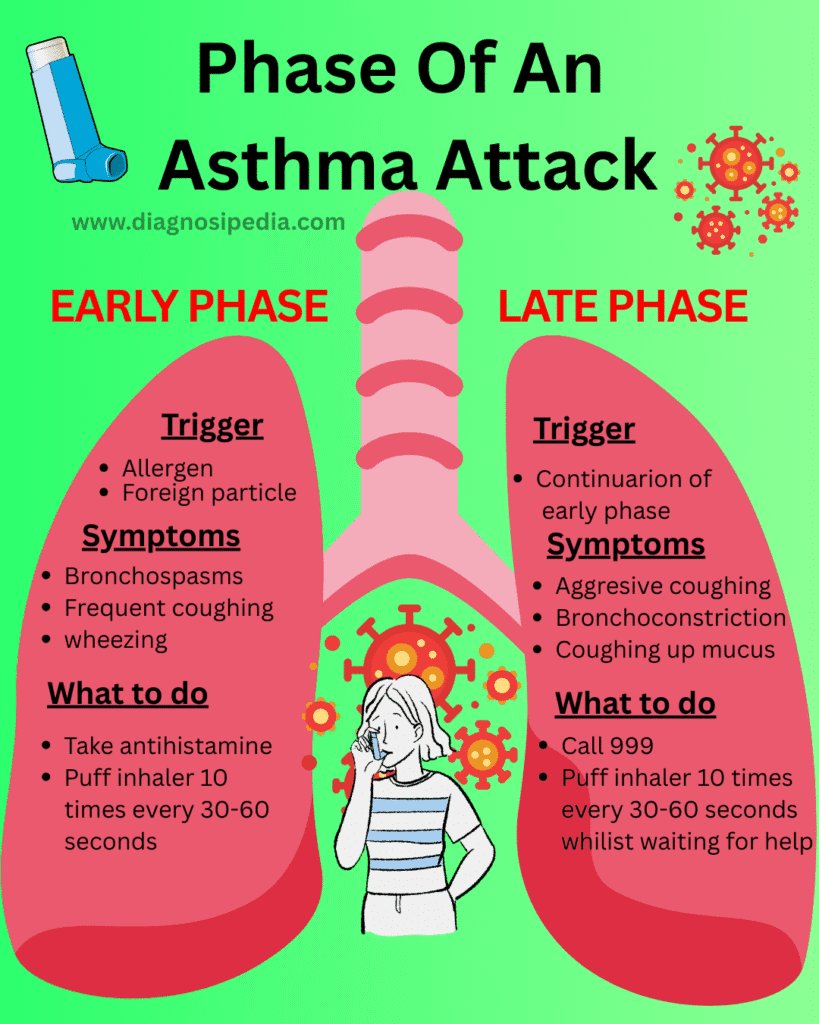
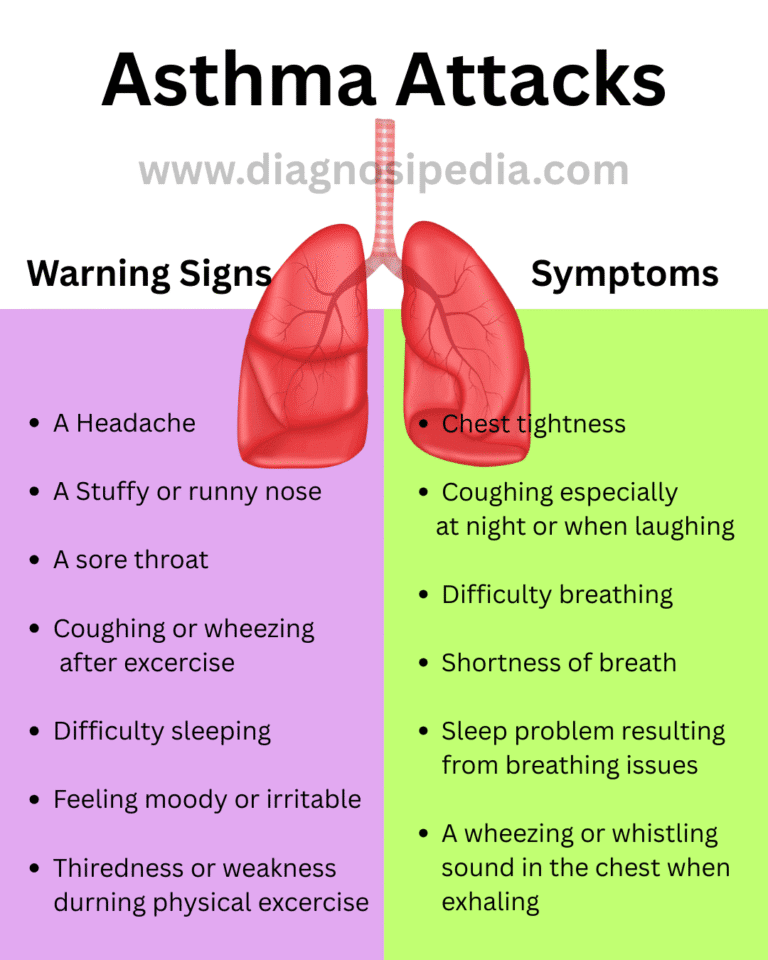
Symptoms of Asthma in Ayurveda:

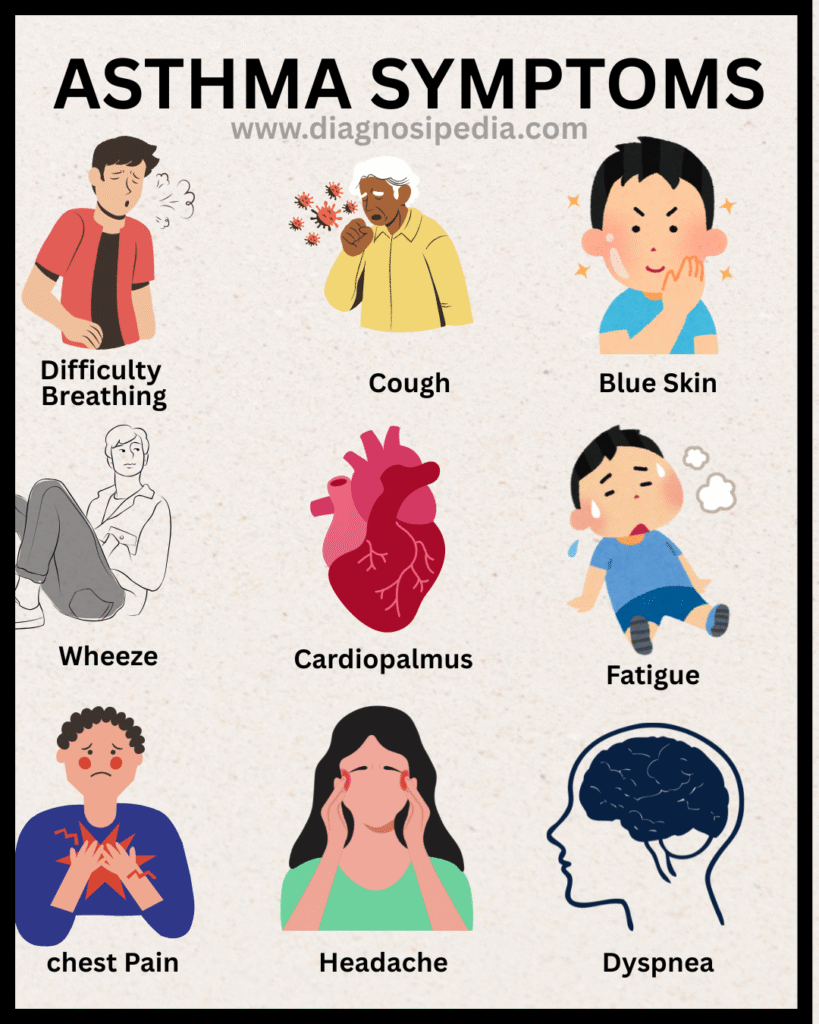
  • Breathing feels difficult (Shwasa Kshata).
  • You might wheeze and cough.
  • Your chest feels tight or aches.
  • You produce lots of mucus and phlegm. Feeling tired and sleeping poorly.
  • Your stomach is upset, and you don’t want to eat.

Types of Asthma According to Modern And Ayurveda Concept:

Types of Asthma (Modern View):

  1. Allergic Asthma (Extrinsic Asthma)
    • Triggered by allergens such as pollen, dust, pet dander.
  2. Non-Allergic Asthma (Intrinsic Asthma)
    • Caused by stress, infections, cold air, or exercise.
  3. Occupational Asthma
    • Triggered by workplace irritants (chemicals, fumes).
  4. Exercise-Induced Asthma (EIA)
    • Occurs during or after physical exertion.
  5. Cough-Variant Asthma
    • Main symptom is persistent dry cough.
  6. Severe Asthma
    • Requires high-dose medication; may not respond well to regular treatment.

Types of Asthma (Ayurveda):

  1. Vataja Shwasa – Dry cough, difficulty breathing, pain in chest, fast breathing.
  2. Pittaja Shwasa – Yellow sputum, fever, burning sensation in chest, sweating.
  3. Kaphaja Shwasa – Heavy breathing, thick phlegm, chest congestion, lethargy.
  4. Tamaka Shwasa – Chronic form; difficulty in breathing, especially at night.
  5. Maha Shwasa – Severe breathlessness, considered life-threatening.

Asthma Cause, Symptoms, Treatment and Medicines:

1.Vataja Shwasa (Dry Asthma):

According to modern: Asthma that starts with exercise or a dry cough.

1.Cause:

  • Too much physical activity.
  • Not eating right, skipping meals, or feeling stressed.
  • Cold, dry weather.
  • In today’s terms: exercise, stress, cold air.
  1. Signs and Symptoms:
  • A dry cough with little mucus.
  • Chest pain when breathing.
  • Trouble taking a deep breath.
  • Getting out of breath during exercise.
  1. Modern treatment:
  •  Inhalers like Salbutamol or Levosalbutamol
  • Managing exercise, warming up first.
  1. Ayurvedic treatment:
  • Herbs: Dried ginger, black pepper, Tulsi. Powders:
  • Medicines-Trikatu Churna, Sitopaladi Churna.
  • Well-known product: Divya Swasari Ras(Patanjali), Himalaya Bresol.

2.Pittaja Shwasa (Inflammatory Asthma):

According to modern: Infectious asthma or asthma triggered by respiratory infections

  1. Cause:
  • by eating too much spicy, sour, or oily food.
  • Heavy drinking and smoking also contribute.
  • Viral or bacterial infections and air pollution are modern triggers.
  1. Sign and Symptoms:
  • include yellow and green phlegm,
  • fever, and sweating.
  • Chest burning is common.
  • You might also have trouble breathing when you cough.
  1. Modern treatments:
  • include steroid inhalers like Budesonide and Fluticasone.
  • Antibiotics are used if an infection is present.
  1. Ayurvedic treatment:
  • herbs such as turmeric, neem, and licorice root.
  • Herbal medicines include Haridra Khanda and Talisadi Churna.
  • Well-known products like Dabur Chyawanprash and Baidyanath Haridra Khanda are also used.

3. Kaphaja Shwasa (Allergic Asthma):

According to modern: Allergic asthma (triggered by dust, pollen, food, dander)

1.Causes:

  • Eating too much dairy, greasy, and heavy food.
  • Sleeping during the day and not moving much.
  • Exposure to dust, mold, and dirty air.
  • Modern thinking blames allergens, being overweight, and smoking.

2.Sign and Symptoms

  • Trouble breathing and a stuffed chest.
  • Making thick, sticky mucus.
  • A whistling sound when you breathe out.
  • Feeling tired and sleepy.

3.Modern treatment:

  • Allergy pills like Cetirizine or Loratadine.
  • Medicines such as Montelukast (Leukotriene inhibitors).
  • Long-term breathing sprays with Formoterol or Salmeterol.

4.Ayurvedic treatment:

  • Herbs: Vasaka, Holy Basil, Long Pepper.
  • Remedies: Agastya Rasayana, Kanakasava, Sitopaladi Churna.
  • Well known product: Himalaya Septilin, Baidyanath Kasamrit.

4. Tamaka Shwasa (Chronic Asthma):

  • According to modern: Chronic persistent asthma

   1.Causes:

  • Vata and Kapha dosha imbalance over time.
  • Bad digestion leads to toxin buildup.
  • Cold weather and rain can start attacks.
  • Genetics and lasting allergies play a role now.

2.Sign and Symptoms

  • Nighttime gasping for air.
  • Wheezing and a tight chest.
  • Feeling worried during an attack.
  • Breathing easier when sitting up.

3. Modern treatment:

  • Inhaled corticosteroids + bronchodilators
  • Biologic therapy for severe cases (Omalizumab, Mepolizumab)

4.Ayurvedic treatment:

  • Herbs like Mulethi, Tulsi, Vasaka
  • Remedies like Agastya Haritaki Rasayana, Chyawanprash, Trikatu Churna
  •  Well known products: Patanjali Divya Swasari Ras, Dhootapapeshwar Agastya Rasayan

5. Maha Shwasa (Severe Asthma / Status Asthmaticus):

According to modern: Severe uncontrolled asthma, life-threatening condition

1.Causes:

  • Ongoing asthma left untreated.
  • Contact with strong allergens or pollution.
  • A sudden, serious lung infection.
  • Currently understood as severe airway swelling. This swelling resists standard medications.

2.Sign and Symptoms:

  • Severe trouble breathing.
  • Difficulty in speaking clearly.
  • Lips turn blue (cyanosis).
  • Agitation signals an emergency.

3.Modern Treatment:

Immediate care includes:

  • Hospital admission.
  • Breathing in oxygen.
  • IV steroids and airway openers.

4.Ayurvedic treatment:

  • Helpful herbs only.
  • Well known product: Kanakasava or Vasavaleha.
  • Always ask your doctor first. Never use these without expert advice.
Ayurvedic treatment of asthma

How modern studies support Ayurvedic herbs for asthma relief:

Several studies have explored the efficacy of Ayurvedic treatment of asthma.

  • A systematic review concluded that Ayurvedic and Non-ayurvedic herbs may be useful treatments for asthma
  • A 2024 case report highlighted the role of ayurvedic interventions in addressing bronchial asthma
  • Another study in 2025 reported significant reduction in asthma symptoms after three months of ayurvedic treatment.

Ayurvedic Treatment of Asthma:

1.Dietary Advice

  • Skip cold, heavy, and greasy foods.
  • Cut back on dairy, fried, and processed items.
  • Add ginger, black pepper, turmeric, and cinnamon.
  • Sip herbal teas with tulsi, licorice root, and long pepper.

2.Herbal Helpers

  • Long pepper (Pippali) aids lung health.
  • Vasaka reduces swelling.
  • Holy basil (Tulsi) strengthens your body.
  • Licorice soothes your throat.
  • Turmeric offers anti-swelling benefits.

3.Lifestyle Tips

  • Try Anulom Vilom and Bhramari breathing.
  • Stick to regular sleep and exercise.
  • Steer clear of things you’re allergic to and stress.
  • Drink plenty of water and eat warm foods.
ayurvedic treatment of asthma

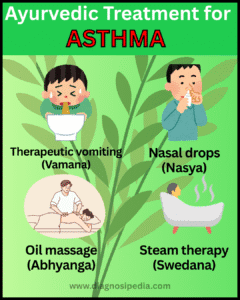
4.Panchakarma Treatments

  • Nasal drops (Nasya) clear your nose.
  • Therapeutic vomiting (Vamana) removes extra Kapha.
  • Oil massage (Abhyanga) nourishes your body.
  • Steam therapy (Swedana) opens your airways.
ayurvedic treatment of asthma

✔ Supports healthy dosha balance.

 ✔ Boosts how well your lungs work.

 ✔ Lessens swelling and phlegm.

 ✔ Strengthens your body’s defenses.

✔ Helps manage symptoms over time.

✔ Promotes a happy mind and spirit.

Precautions:

  • Stick to doctor-approved treatments.
  • Don’t treat yourself with plants or steam.
  • Watch your health and tell your doctor how you feel.
  • Use Indian medicine alongside regular care when needed.
  • Eat well and skip things that make you sick.
ayurvedic treatment of asthma

How I controlled my asthma with ayurveda- Patient stories:

Conclusion

Ayurveda calls asthma (Tamaka Shwasa). It’s a breathing problem from body system imbalances. Ayurvedic treatment of asthma focuses on fixing these issues. This includes food, herbs, and lifestyle changes. Therapies like Panchakarma also help. Knowing asthma types and medicines aids symptom control.

With good treatment, a smart diet, and a balanced life, you can breathe easier. Your energy will lift and your body will fight sickness better. Ayurveda provides a natural path to better lungs. It also boosts your overall health.

ayurvedic treatment of asthma

Frequently Asked Question (FAQs)

Q1. What kinds of asthma exist?

Types of Asthma (Modern View)

  1. Allergic Asthma (Extrinsic Asthma)
    • Triggered by allergens such as pollen, dust, pet dander.
  2. Non-Allergic Asthma (Intrinsic Asthma)
    • Caused by stress, infections, cold air, or exercise.
  3. Occupational Asthma
    • Triggered by workplace irritants (chemicals, fumes).
  4. Exercise-Induced Asthma (EIA)
    • Occurs during or after physical exertion.
  5. Cough-Variant Asthma
    • Main symptom is persistent dry cough.
  6. Severe Asthma

Requires high-dose medication; may not respond well to regular treatment

Types of Asthma in Ayurveda

  1. Vataja Shwasa – Dry cough, difficulty breathing, pain in chest, fast breathing.
  2. Pittaja Shwasa – Yellow sputum, fever, burning sensation in chest, sweating.
  3. Kaphaja Shwasa – Heavy breathing, thick phlegm, chest congestion, lethargy.
  4. Tamaka Shwasa – Chronic form; difficulty in breathing, especially at night.
  5. Maha Shwasa – Severe breathlessness, considered life-threatening.

Ayurvedic treatments can work alongside standard care. Never stop your prescribed medicines without talking to your doctor first.

Yes, remedies like Sitopaladi Churna, Talisadi Churna, and Pippali Rasayana can work well. Proper use is key.

A full cure varies for everyone. Ayurveda helps control symptoms, boost your body’s defenses, and reduce attacks.

Absolutely. Practices like Anulom Vilom and Bhramari can ease breathing. They also help you relax and benefit your lungs.

Author

  • Diagnosipedia

    Hey there, I am Abubakar, And i am currently pursuing a Bachelor of Ayurvedic Medicine and surgery[B.A.M.S] Degree with a strong interest in medical science, wellness  and natural healthcare. As the founder and writer of Diagnosipedia, I focus on creating clear, reliable and SEO-friendly health content that helps readers understand disease, symptoms, treatments, and preventive care. My goal is to simplify complex medical topics and provide trustworthy information that supports better health awareness. I combine academic knowledge with practical insights to offer accurate and easy-to-read articles, aiming to make Diagnosipedia a valuable resource for everyone seeking dependable healthcare information.

Leave a Comment

Your email address will not be published. Required fields are marked *

Scroll to Top